Colloidal Platinum: For Strong Nerves and a Clear Mind
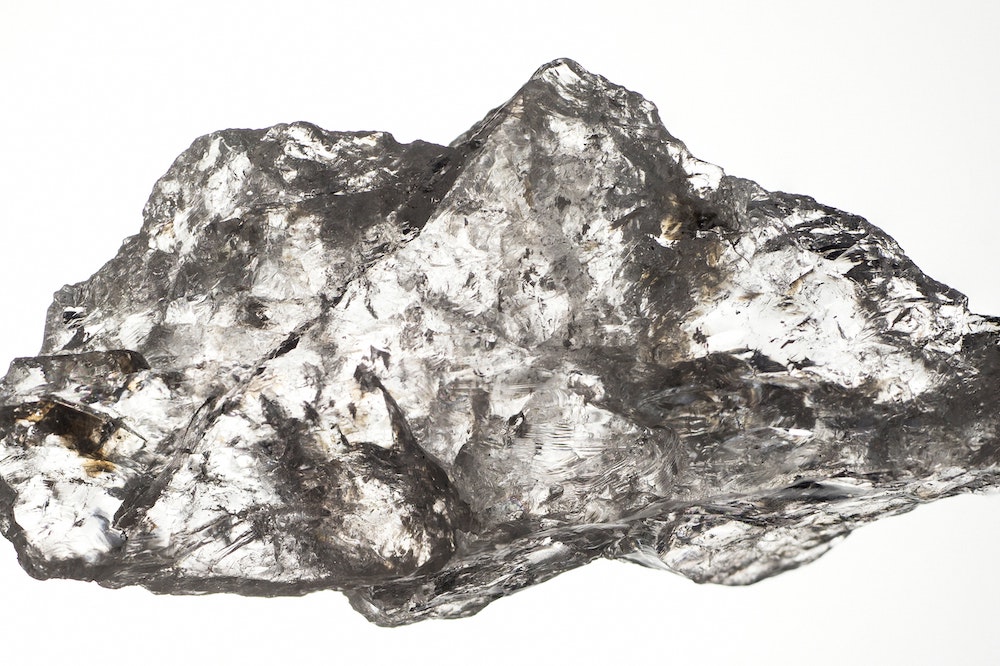
Platinum Power: Highest Melting Point and Best Body Compatibility
From our series: Colloidal Metals
Platinum had to work hard over the centuries to earn its rightful place alongside gold. It was not until the 20th century that people realised how important platinum is and what can be done with it. Platinum is very rare, is mined in only a few areas of the earth and is highly corrosion-resistant. Platinum possesses remarkable catalytic properties; gases such as hydrogen and oxygen are bound by platinum in the activated state and its use in catalytic converters is also very well known. As colloidal platinum it can positively influence our central nervous system, have a balancing effect on our psyche and strengthen the immune system.
What is colloidal platinum?
Genuine colloidal platinum consists of very fine platinum particles that float in water and do not form a compound with the water – in contrast to ionic platinum solutions (high-voltage electrolysis). The size of the individual particles lies between 1 and 20 nanometres (1 nm = one billionth of a metre). The particles of this liquid dispersion can be produced by various manufacturing processes, which, depending on the process, have a considerable influence on the properties and quality.
Advantages of colloidal platinum
• Increases concentration and creativity
• Strengthens immune defence
• Improves communication in the nervous system
• Has a mood-brightening effect and reduces mood swings
• Calms the psyche and helps with nervous complaints
• Activates the brain and improves memory function
Areas of application for colloidal platinum
• Declining memory performance, forgetfulness
• Muscle cramps, neuralgias
• Poorly healing wounds
• Mood swings
• Allergies
• General immune weakness
The manufacturing process is crucial
With the high-voltage plasma process using 10,000 volts and at approximately 3,500 °C, the best possible quality of the colloids is achieved when applied correctly: smallest particle size, highest energy content, long shelf life, suspended state. It is more effective, more energy-rich and more durable, has fewer deposits and is free from overdosing.
As platinum is one of the hardest metals, a great deal of energy is required to break up its lattice structure. At the same time, our body requires only small amounts of platinum, which is why a concentration of 5 ppm is ideal for bioavailability.
Comparison of manufacturing processes
Ionic solution
Ions detach from the electrode material through electrolysis and form a compound with the water. With low-voltage electrolysis at 9–60 volts, hardly any colloidal platinum (ionic compound) can be produced because the lattice energy of platinum is far too high. High-voltage electrolysis up to 10,000 volts can achieve this, but produces an ionic solution – which is not optimal for metabolism!
Colloidal dispersion
Through plasma vaporisation, tiny colloids are released from the electrode material and instantly cooled (condensed) in the water. The highly energetic and electrically charged colloids float in the water without forming a compound with it and continuously release ions.
In colloidal platinum produced with the high-voltage plasma process, the colloidal particles float. They repel each other, do not settle and do not form compounds with other substances – they act as a catalyst. They are simply excreted via the urine when they are no longer effective.
Read more about the various manufacturing processes of colloidal metals here.
Note on purchasing colloidal platinum
Colloidal platinum must not be declared as a foodstuff, food supplement or medicinal product. The products are simply sold under the term “Colloidal Platinum”. Therefore, be sure to pay attention to the information on the manufacturing process. It provides important information about the quality, particle size, concentration, colloid energy and shelf life.